Making things and breaking things since 2016. Welcome to my digital home ___feel free to poke around!

swagger cover image

Swagger Perfume Collection

Executive Summary

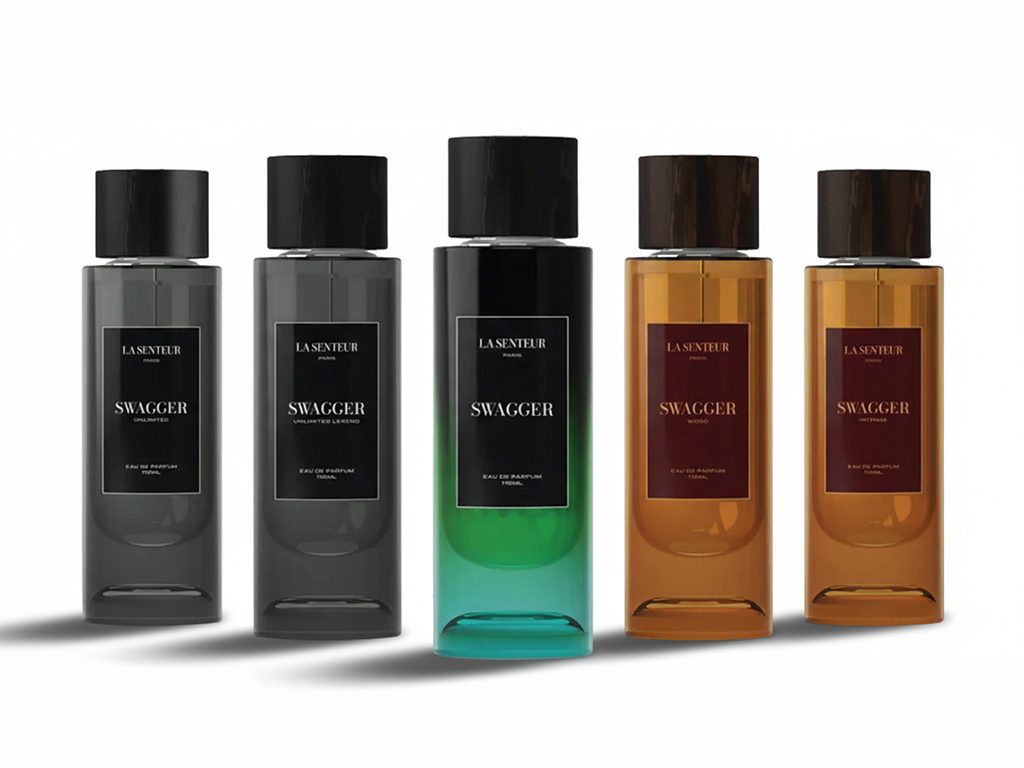
The Swagger Perfume Collection is a masterclass in modern masculine elegance. Developed for La Senteur Paris, this project involved a complete end-to-end design process. I spearheaded the industrial design of the custom cylindrical bottle, the selection of tactile materials, and the visual identity for a five-tier product line: Original, Wood, Intense, Intense Extreme, and Unlimited Legend.

The Concept: From Sketch to Structure

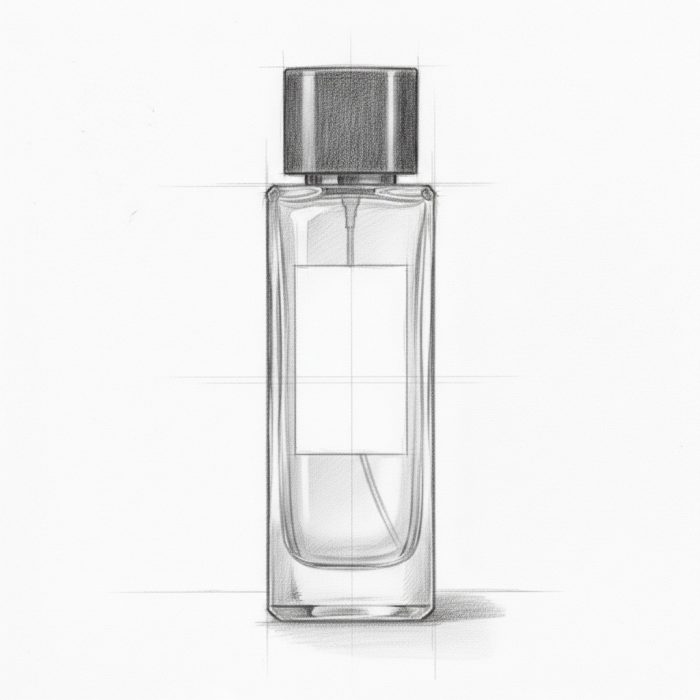
Every project begins with a silhouette. I moved away from generic, thin-walled perfume glass in favor of a heavy-base cylindrical vessel. The goal was to create a bottle that feels substantial and authoritative in the user’s hand—a physical representation of the “Swagger” name.

swagger pencil sketch scan

Initial ideation focusing on the weighted silhouette and cap-to-body proportions.

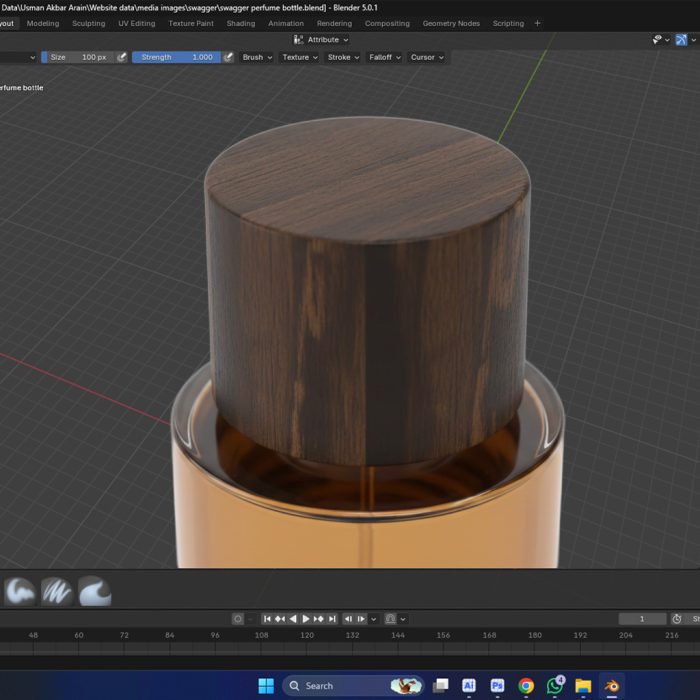
cap closeup

Material Innovation:

The Signature Wood Cap


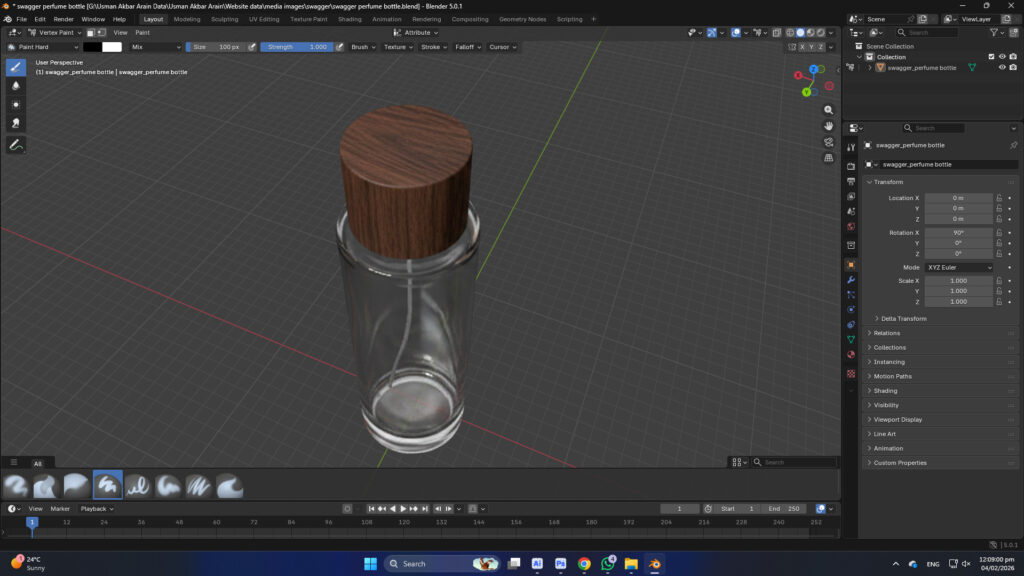
A core element of this design is the integration of organic textures. For the Wood and Intense editions, I engineered a bespoke natural wood cap.


The Sensation:

The dark, polished wood grain provides a tactile warmth that contrasts beautifully against the cold, smooth glass.


The Engineering:

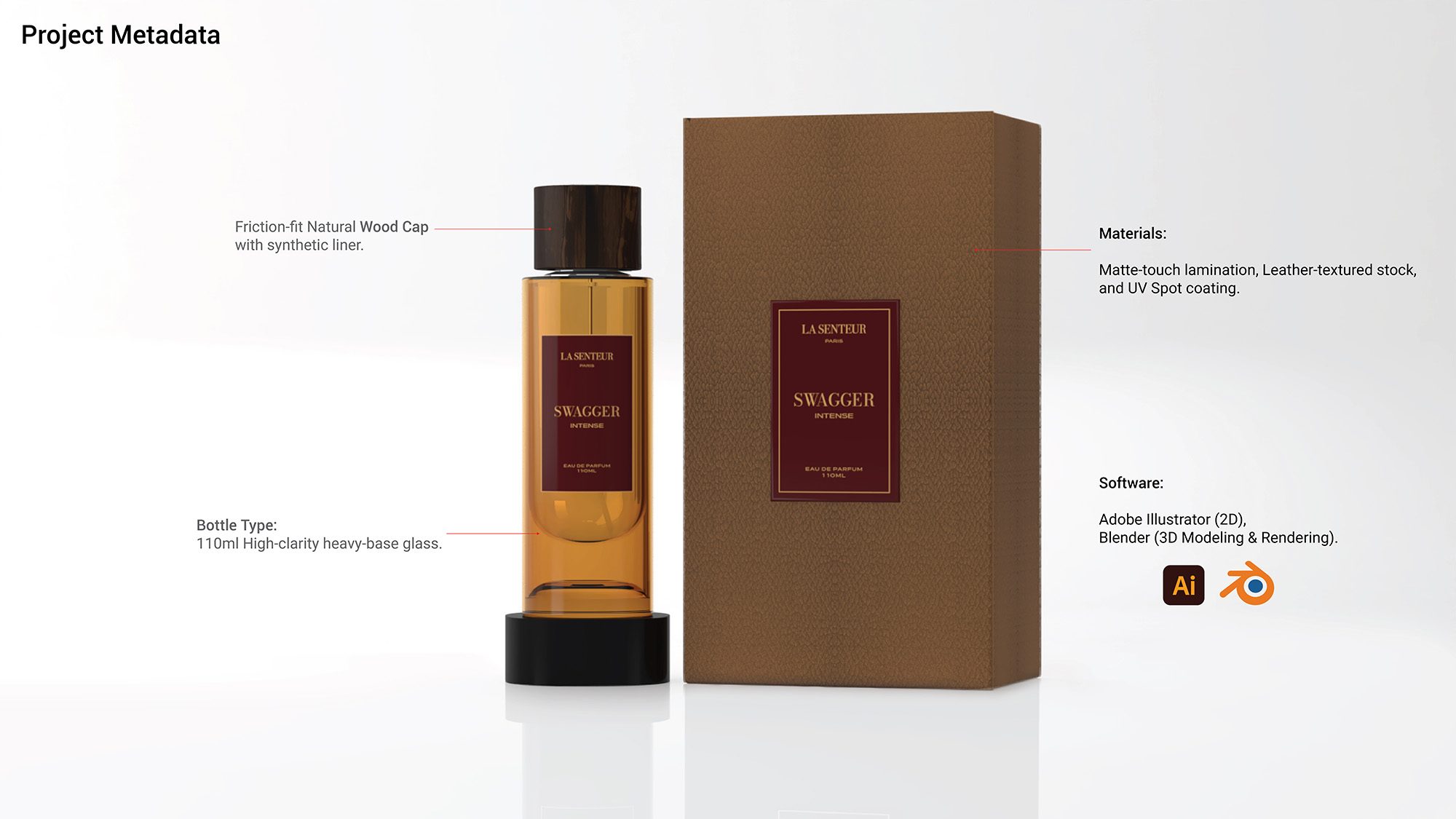
The cap features an internal friction-fit liner to ensure a premium “click” and evaporation control.

2D Branding & Visual Identity

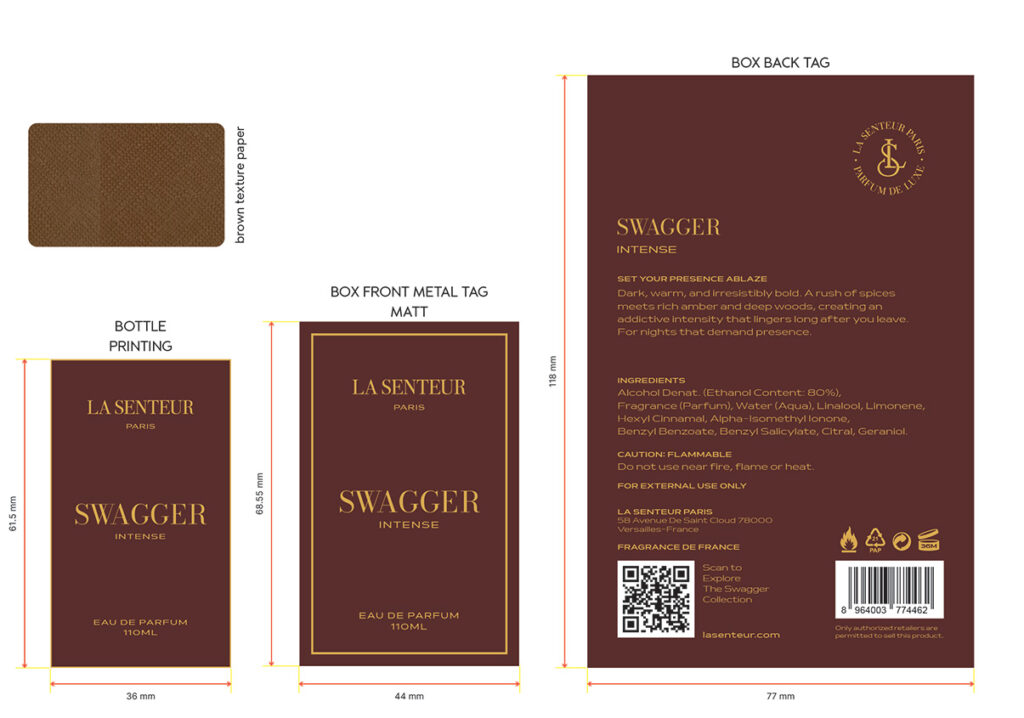
Before moving into 3D, I developed the brand’s visual mechanicals.

Developing the brand hierarchy and color-coded label systems.

Typography

A classic serif for “SWAGGER” to represent tradition, paired with minimalist secondary text for a modern, Parisian feel.


Packaging Design

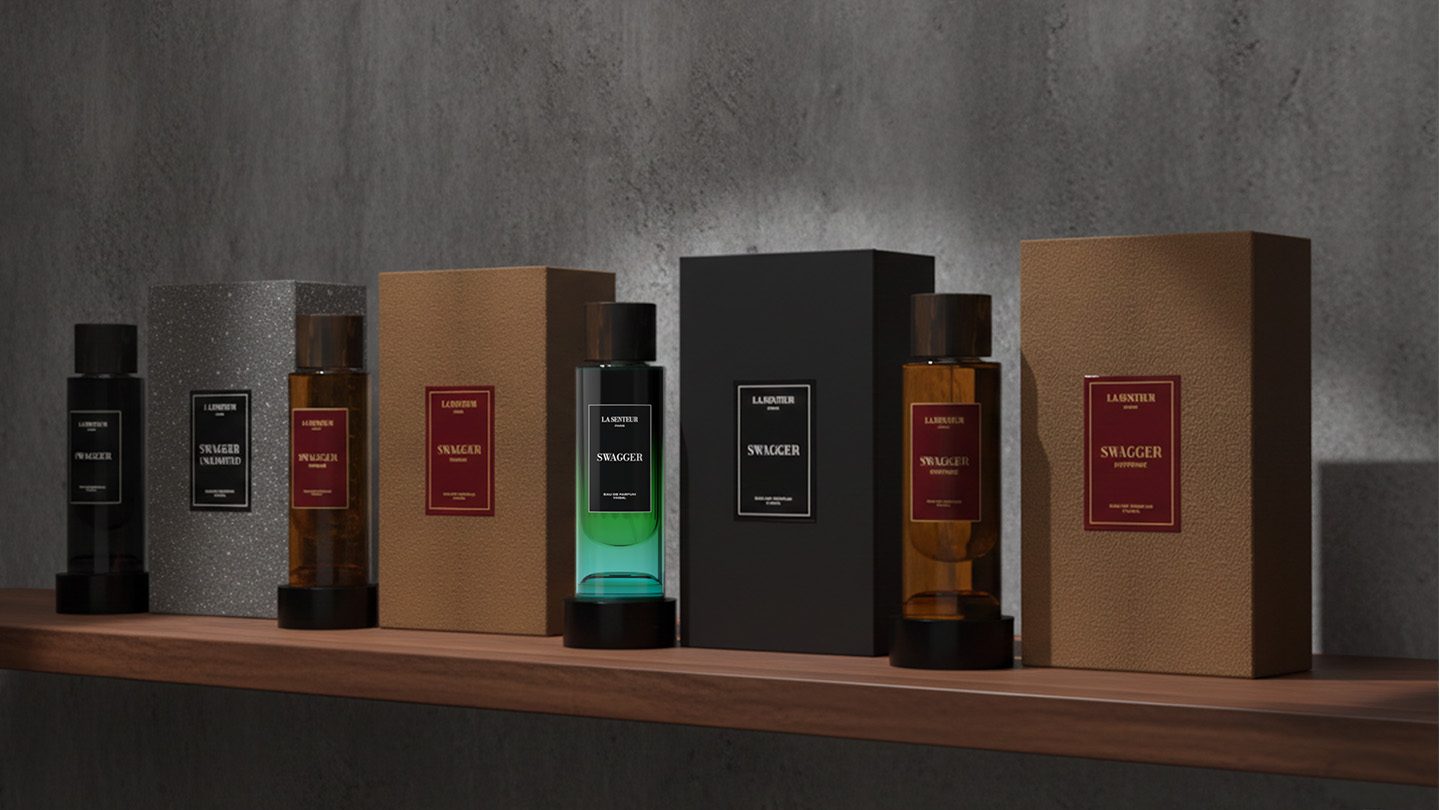
I designed a rigid box with a matte-black exterior and a high-gloss, colored interior lining (as seen in the Emerald edition).Lorem ipsum dolor sit amet, consectetur adipiscing elit. Ut elit tellus, luctus nec ullamcorper mattis, pulvinar dapibus leo.
Digital Craftsmanship: The Blender Workshop

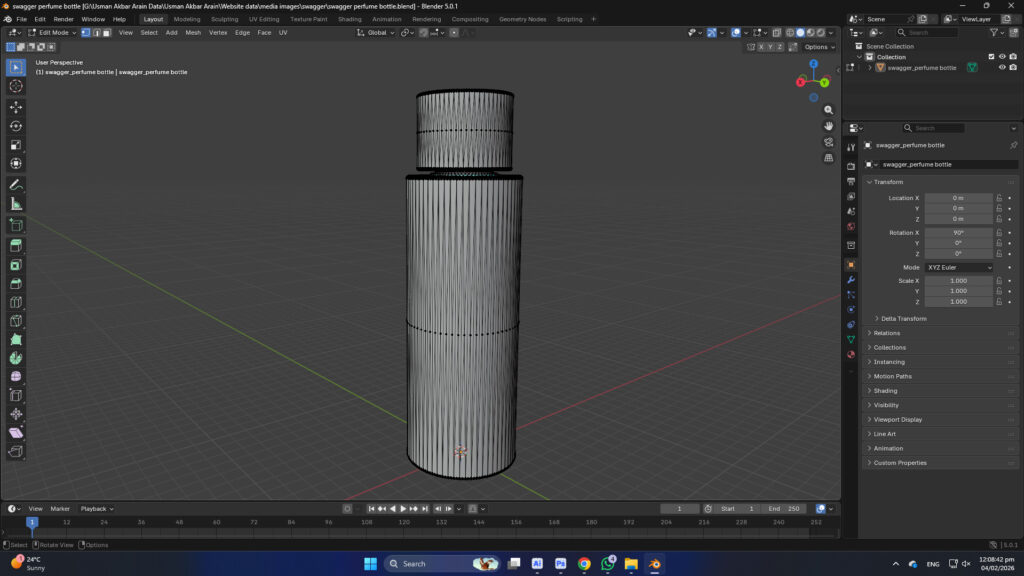
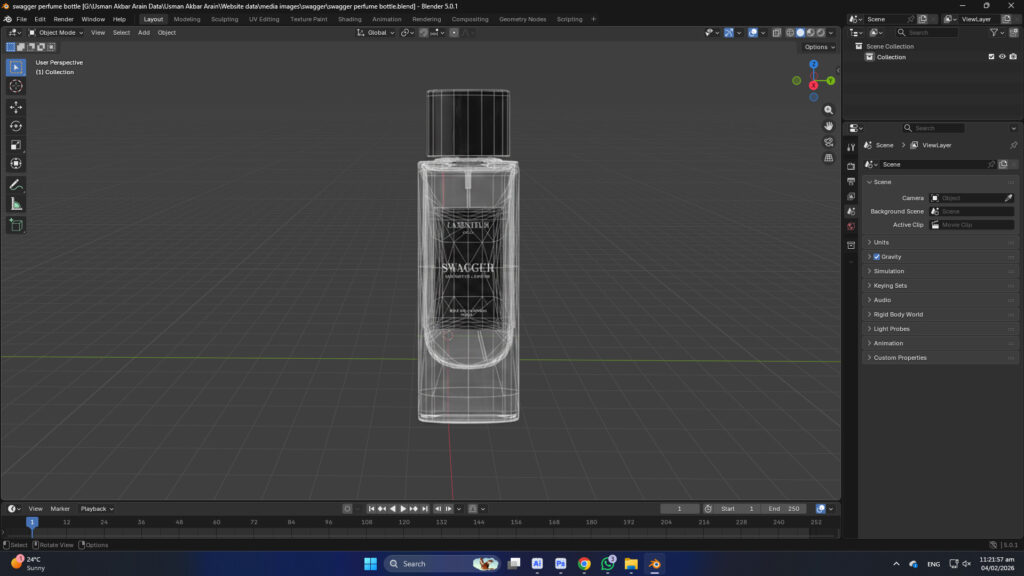
To prove the “Zero-to-Hundred” process, the 3D phase involved precision modeling and complex UV mapping:

Engineering the Glass:

Modeling the specific refraction of the liquid and the thickness of the glass base.

Artwork Mapping:

I performed precise adjustments to ensure the 2D labels wrapped seamlessly around the 3D geometry without distortion.

Lighting:

Setting up a custom studio environment in Blender to highlight the textures of the leather-textured boxes and the natural wood caps.

The Collection Breakdown

final image

Technical Specifications (Project Metadata)

project metadata